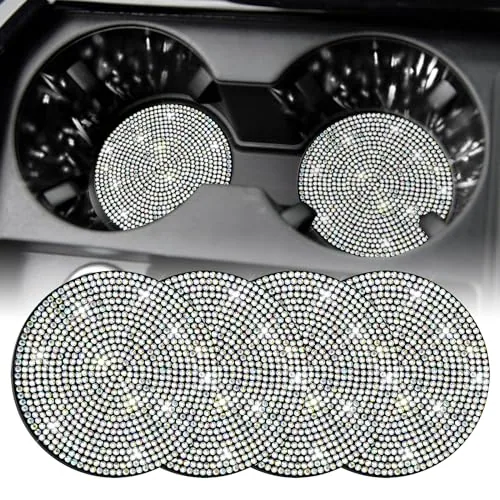
2PCS
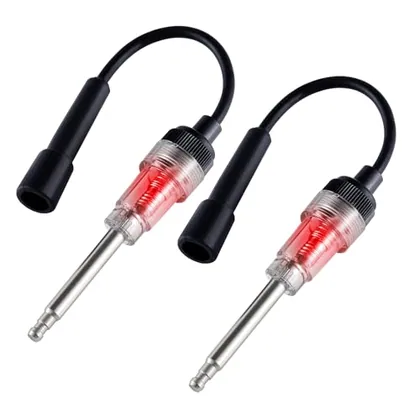
All 5 SINGARO Tools & Diagnostics
2 Piece Inline Spark Plug Tester
2 in the setRubber
$8.99$4.50 each

185 parts across 10 departments
Valve caps, cup holder inserts, visor mirrors, hitch covers, battery terminals. The kind of part you buy once, fit in five minutes and then forget about, which is exactly why the thread, the diameter and the count in the box are printed on every page here.
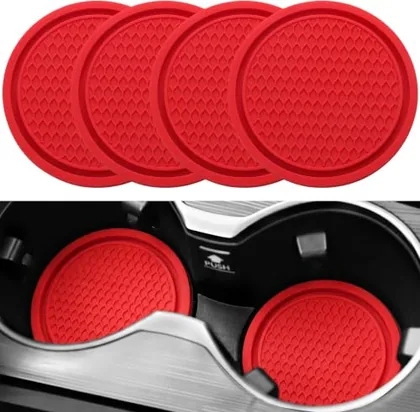

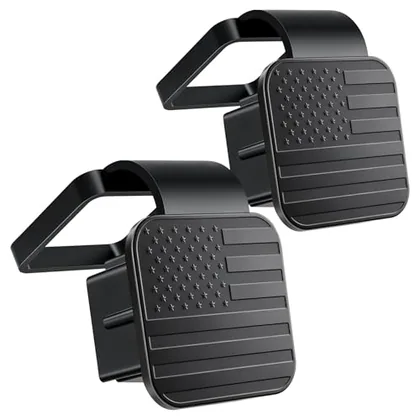



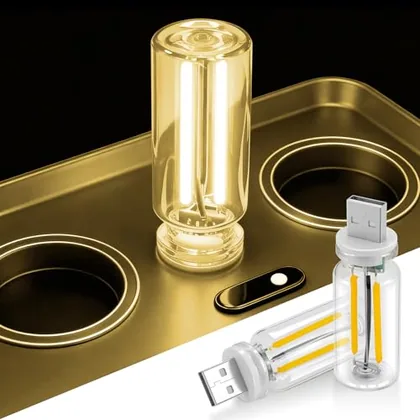
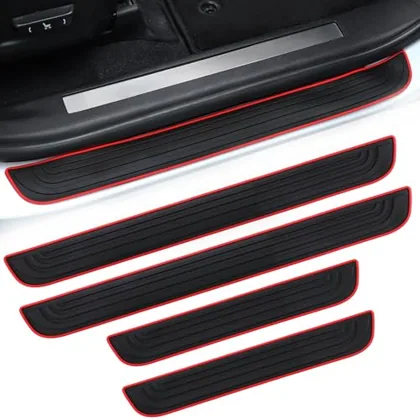

Ten departments, sorted by where the part goes rather than by what it is made of. 107 of the 185 parts are sold as a set, and the count is on the card before you open it.
Tools & Diagnostics
5 parts, from $6.99
Cup Holders & Coasters
29 parts, from $4.99
Valve Caps & Tyre Parts
38 parts, from $3.99
Towing & Hitch
12 parts, from $6.99
Sun Shades & Glass Care
11 parts, from $5.99
Storage & Organisers
29 parts, from $3.99
Mirrors & Visors
16 parts, from $4.98
Electrical & Lighting
11 parts, from $4.99
Interior Fittings
16 parts, from $7.99
Exterior & Roadside
18 parts, from $3.99
A part from each shelf, picked for the ones people replace most often.
SINGARO started with a valve cap that would not come off. It had seized onto the stem of a car one of us drove every day, and getting it loose meant pliers, a scratched wheel and a slow puncture that could have been fixed in a minute. That is the whole origin of this brand: a two dollar part, badly made, costing an afternoon.
A part that fits is invisible. A part that nearly fits is a Saturday afternoon.
So the first thing we made was a cap. Machined from aluminium rather than moulded, knurled deep enough to turn with cold fingers, with a rubber seal inside that does not weld itself to brass over a winter of salt. We made a batch, put them on our own wheels, and took them off again after a season to see what the road had done to them. That test is still how a part gets into the SINGARO range.
The range grew the way a toolbox grows. Someone needed a cup holder that did not rattle, so we cut inserts from silicone soft enough to grip a travel mug and stiff enough to lift out for washing. Someone spilled coffee into a console and we found out how much of a car interior fights back when you try to clean it.
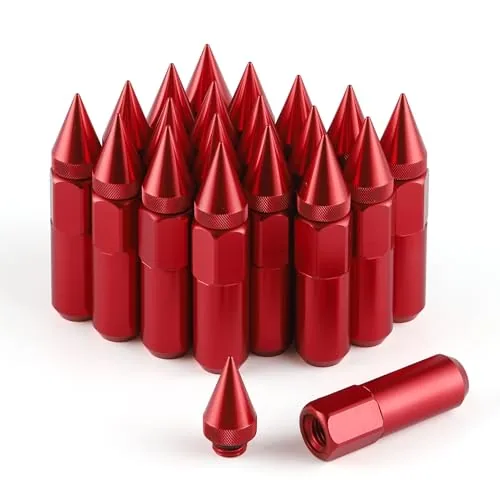
A visor mirror with its own light came next, because the courtesy mirror in most cars is useless after dark. None of it is glamorous. All of it is the sort of thing you notice only when it is missing or when it fails.
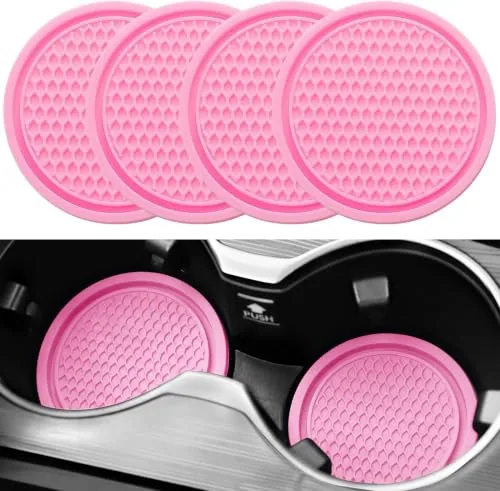
We work in batches rather than production runs. We turn, anodise and assemble a batch, then count it by hand into its set, and the counting matters more than it sounds: a set of four caps with three in the bag is a return, an apology and a customer who never comes back.

The parts that do not pass the check do not go into the batch. That is not a quality slogan, it is arithmetic, because a rejected part costs us the metal and a bad one costs us the buyer.

Fit is the part we spend the most time on. A thread that is nearly right will start and then bind. A cup holder insert that is a few millimetres too wide will sit proud and tip a bottle over on the first corner. So we measure every size on real cars and real consoles rather than read them off a drawing, and where a part fits a specific car we say which one.

Where it does not, we say universal and mean it: the same thread, the same standard diameter, the same fitting that has been on cars for decades.
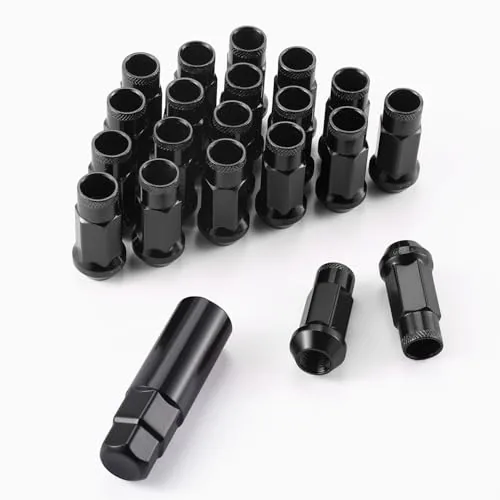
Materials are chosen for how they behave at the temperatures a car actually reaches. A parked car in summer is an oven and the same car in January is a freezer, and rubber that stays soft in one goes brittle in the other. Silicone handles both, and that is the reason so much of the interior range is silicone rather than the cheaper alternative.
We anodise aluminium rather than paint it, because paint chips at the first contact with a valve tool. We use steel where a part has to take a load, and stainless where plain steel would rust in a wheel arch.
What we do not do is pretend a small part is an engineering achievement. A hitch cover keeps water and grit out of a receiver tube. A door edge guard stops a car park leaving a mark. A battery terminal clamp holds a cable tight without rounding off under a spanner. These are simple jobs, done properly or done badly, and the difference shows up months later rather than in the photograph.
The catalogue here is the whole range, 185 parts across 10 departments. Every page carries the count in the set, the material where the brand states it, the measured size, and the cars the part is stated to fit. Prices carry the date they were last updated. A part with no buyable price comes off the shelf until it is orderable again. An empty space is honest. A price that cannot be paid is not.
Most of what goes wrong with a small part is a size, not a defect. These are the numbers worth checking against the car before the part arrives.
{packCount} parts here come as a set. The price per piece is the number worth comparing, and it is printed under every price on the site.
Cheapest piece in the range right now: $0.34 each, in a set of 12.
None of these parts need servicing. Two of them fail early if they are ignored, and both failures are avoidable.
A metal cap on a metal stem with no seal between them bonds over a salted winter. Fit caps with a seal, hand tight, and take them off once a season when you check pressures.
Cup holder inserts and seals wash in warm soapy water. Solvent cleaners swell silicone and leave it slack, which is how a snug insert starts rattling.
Self-adhesive trim holds for years on a surface that was degreased first and fails in weeks on one that was not. The five minutes go in before the part, not after.
A car needs different small parts at different times of year. Nothing here is urgent in the way a service is, but the order below is roughly how the seasons arrive.
Wash off the winter salt, check the caps come off by hand, replace the trim the gritters chewed.
Shades and glass. A parked car passes 100 F within minutes on an ordinary afternoon.
Tyre pressures fall with the temperature. Gauges and compressors earn their place now.
Reflective kit, warning cones and the terminals that corrode when the battery works hardest.
Five checks worth making on any small car part, and what our own figures say.
| What to check | SINGARO | A part sold with none of this |
|---|---|---|
| Measurements | Thread, diameter or receiver size printed on the page for the part itself. | A make and model list with no measurement, so the part arrives a size out. |
| Count | 107 of 185 parts state how many are in the set. | A photograph of four and a title that never says how many arrive. |
| Material | 151 parts name what they are made of, from the specification. | Premium alloy, which describes nothing you can check. |
| Ratings | None published, because none were collected for this range. | A five star average borrowed from somewhere else in the shop. |
| Price | Updated on a schedule. A part with no buyable price leaves the range until it returns. | A price that sits on the page after the part has gone. |
Yes. We make small car parts and fittings: valve caps, cup holder inserts, visor mirrors, hitch covers, battery terminals and the hardware around them. Our range runs to 185 parts across 10 departments, and each page prints the size, the count and the material we publish for that part.
The parcel is not ours. Ordering, payment, delivery and returns happen at checkout with our retail partner, and the dispatch address is theirs. We publish the parts, their measurements and their prices.
The return goes through the retail partner you ordered from, inside the window shown at checkout. For a part that arrived wrong or damaged, start the return there.
No warranty term is published for parts of this kind. What you can check against the part in your hand is the thread size, the count in the set and the material.
By the measurement, not by the car. Valve caps are threaded to the standard Schrader stem, cup holder inserts print their outside diameter and depth, and hitch covers print the receiver size they drop into. Measure what you have and compare it with the figure on the page: a part that fits a make and model list can still be the wrong diameter.
No, because we have collected none for this range. Rather than borrow an average or fill the page with quotes nobody can trace, the pages carry the specification: 107 parts state a count in the set and 151 state their material.
If your car has the ordinary rubber or metal stems fitted to almost every passenger car, yes. The thread on a standard stem has not changed in decades, and the caps in this range are cut to it. Cars with sensors in the stem use the same thread as well.
Because it changes the price per piece by a factor of four, and because a set of four caps is what a car needs. The count is what we would want to see first, so it is what we print first.
They fit the common round holder sizes and they are trimmed to depth rather than to a single make. The measured diameter is printed on the page. Measure across the top of your holder before ordering, not the bottom.
The mirror in most sun visors has no light at all, or a light aimed at the roof lining. A lit mirror puts the light on the side of a face at the distance a face actually sits. That is the whole difference, and it either matters to you or it does not.
Because it has no buyable price at the moment. It comes back on the next update if the price does. We would rather a page vanish for a week than show a figure nobody can honour.
No. Everything in the range is designed to fit by hand or with a tool most people already own, and the pages say which.
Every price on the site shows the date of the last update, and the whole catalogue is updated on a schedule rather than piecemeal. A part with no buyable price is removed from the site until it returns: no crossed out figure, no stale number left where a price should be.
We publish counts, materials, sizes and fitment in the words the brand uses. Where a fact is missing for an item, the page leaves it out. That is why two pages in the same department do not always carry the same rows.
A thread size, a diameter and a count in the set are what decide a car part, and every page leads with them.
The guides quote public safety and standards material. Every source on the list was opened and read, the date it was read is printed next to it, and the quotes are word for word rather than paraphrased.